Articulating vs. telescopic in Tampa conditions
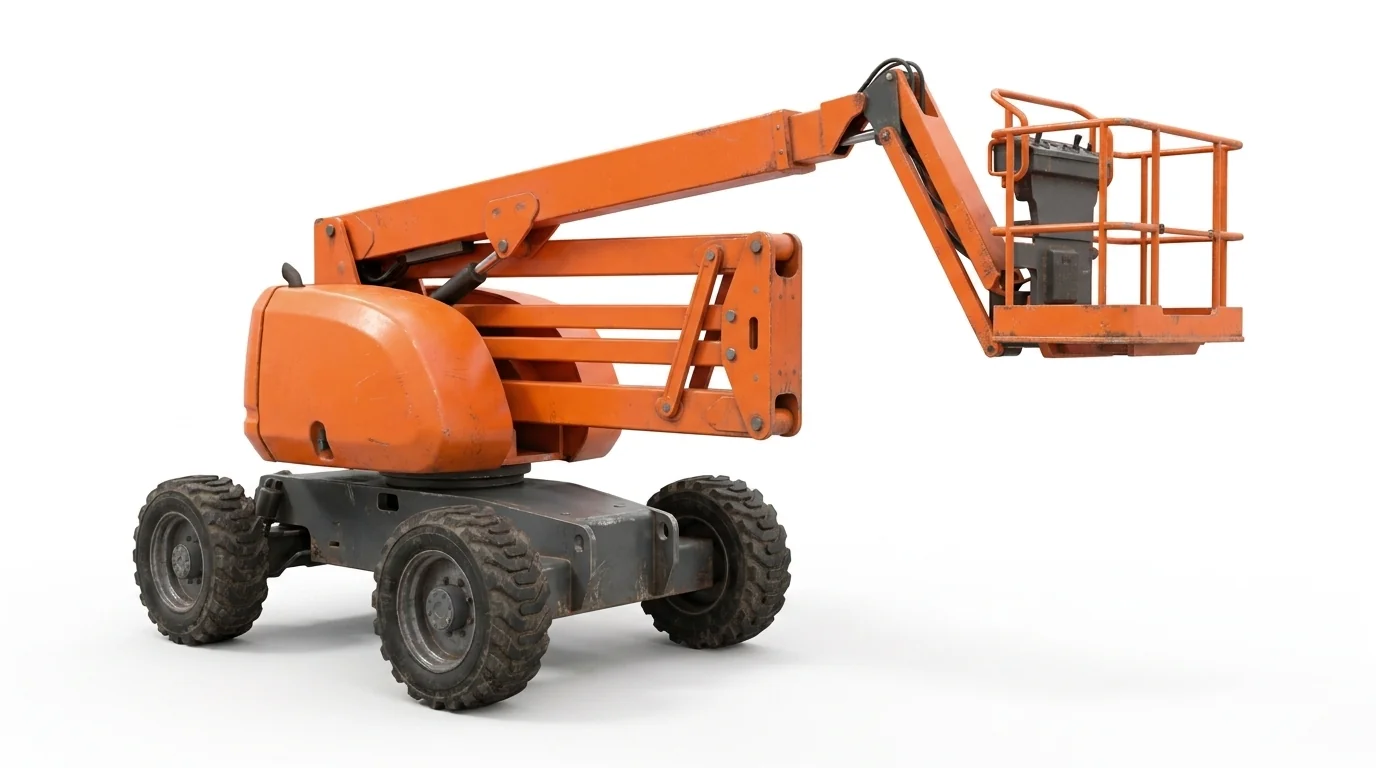
- Articulating booms use jointed sections to climb over canopies, pipe racks, and landscaping, useful in tight urban sites and complex courtyards.
- Telescopic booms extend in a straight line for maximum horizontal reach along long facades or across open lots common to industrial sites.
Staging on coastal ground
Sandy shoulders, new fill, and post‑storm saturation affect where a boom can sit and travel. Look at: - Bearing capacity near edging, swales, and temporary ramps - Tire type and contact area for flotation on firmed soil - Wind exposure near open waterfronts versus shielded alleys
Height, reach, and tail‑swing constraints
- Measure horizontal distance from the staging spot to the work line, then confirm vertical clearance over obstacles.
- Check tail‑swing and boom articulation paths against fencing, parked trailers, and landscaping.
- Where interior access is required before curtain walls are sealed, consider smaller electrics for slab travel and stage booms outside.
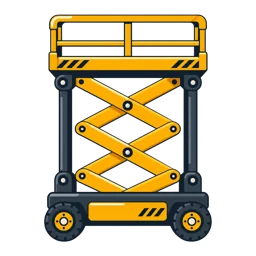
When a scissor outperforms a boom
If the task is directly overhead and needs a large work platform, a scissor may be more efficient. Compare categories at /aerial-lift-rental/ and /electric-scissor-lift-rental/. For exterior straight‑up work with soft ground, see /rough-terrain-scissor-lift-rental/.
Actual conditions, the selected unit’s instructions, and site procedures govern elevated work.