Fit the lift to the interior geometry
- Measure platform height needed to reach lighting, ductwork, or signage while keeping guardrails below finished ceilings.
- Check minimum aisle width, turning radius, and doorway height in older buildings and new logistics shells.
- Verify floor loading where mezzanines or suspended slabs are present.
Tampa’s coastal environment indoors
Humidity and salt air move inland, especially around large bayfront openings and ventilation paths. For interior work: - Favor units with non‑marking tires, sealed electrics, and corrosion‑resistant hardware. - Plan for regular rinsing and dry storage per the unit’s documentation when projects run near open loading doors exposed to marine airflow.
Common electric scissor choices
- Compact micro scissors for tight service corridors and retail build‑outs where elevator doors and thresholds are constraints.
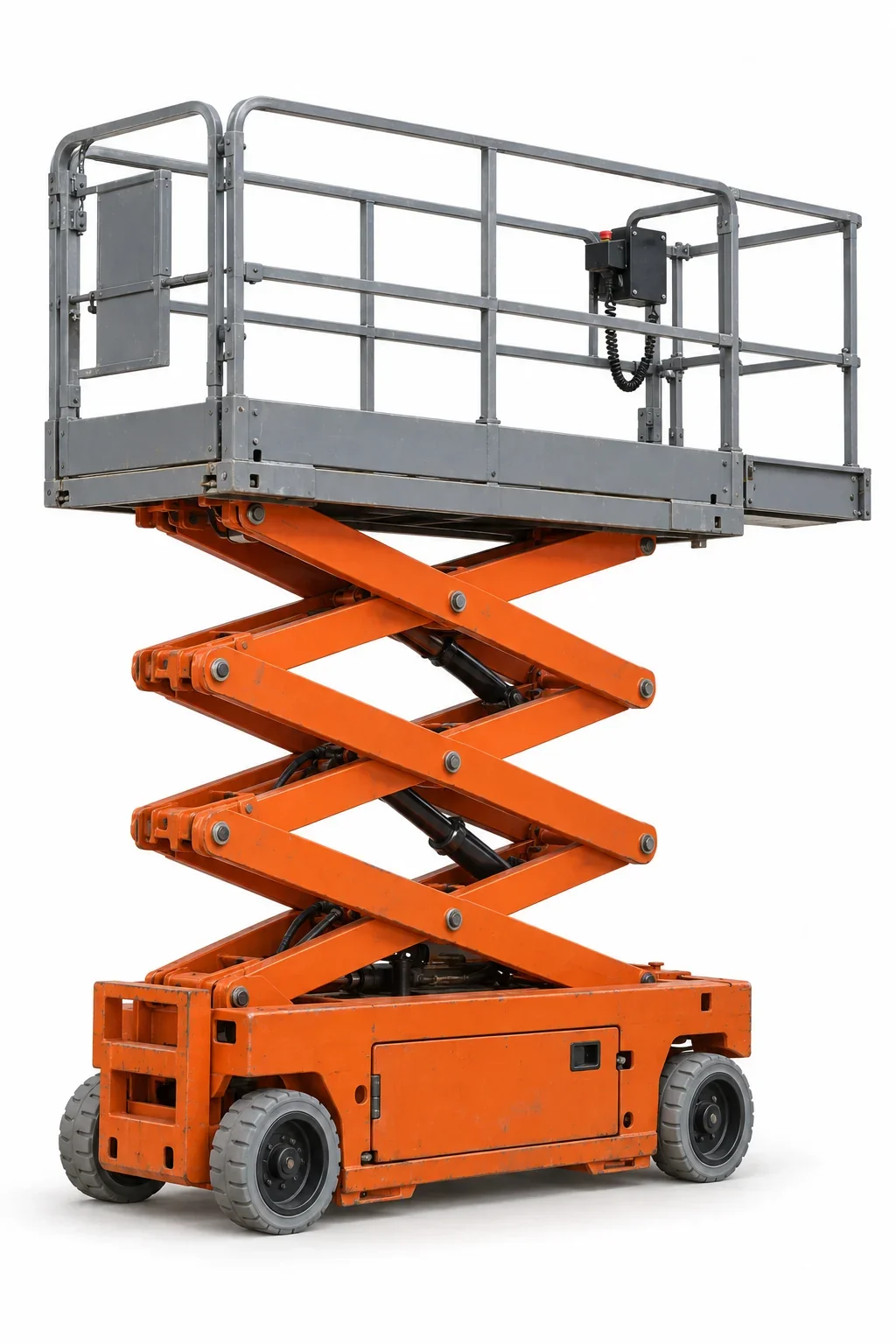
- Standard slab scissors for high‑bay pick modules, interior glazing, and ceiling grid work.
- Wider‑deck models when two‑person tasks or material staging on the platform drive capacity.
When the interior becomes semi‑outdoor
Renovations with open curtain walls or slab cuts can introduce wind and moisture. If surfaces get damp or debris‑covered, a rough‑terrain scissor or a vertical mast lift with appropriate tires may compare better. Review outdoor options at /rough-terrain-scissor-lift-rental/ and alternatives at /vertical-mast-lift-rental/.
Adjacent categories that may fit better
- Need up‑and‑over reach around soffits or atriums? See /aerial-lift-rental/ for articulating boom comparisons.
- Long linear reaches along facade lines may point to /boom-lift-rental/.
Actual site conditions, the selected unit’s instructions, and site procedures govern elevated interior work.