Start with the reach line and set-back
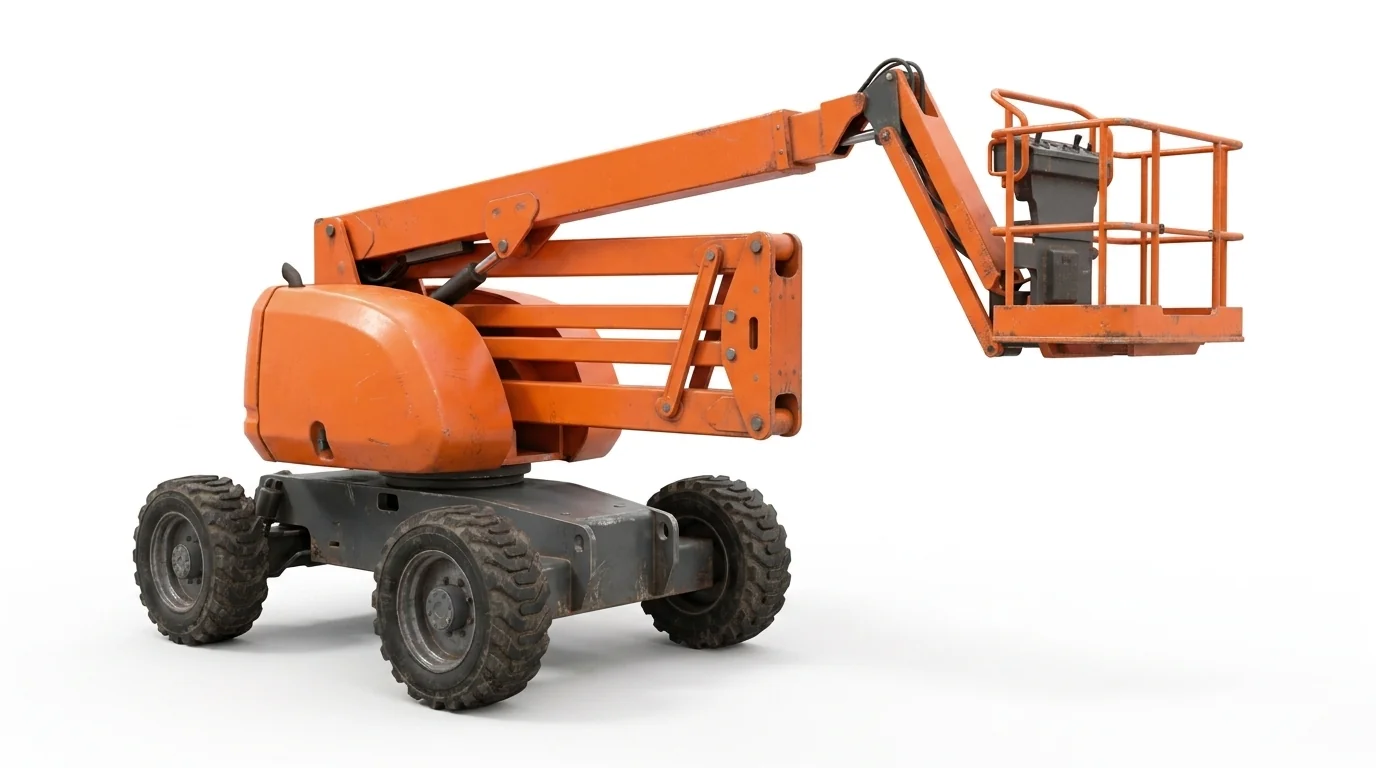
A telescopic boom is efficient when the machine can sit back from the structure with an unobstructed path to the work. Measure the horizontal set-back you need to keep clear of curbs, planters, docks, or security lines, then match that to the boom’s horizontal reach. If the line is blocked by canopies or balconies, compare /articulating-boom-lift-rental/ instead.
Tampa surface and weather considerations
- Sandy and fill soils: Load distribution and tire selection influence how the machine tracks across loose ground. Wider stance and rough-terrain tires help maintain mobility between pads and staging.
- Rain and standing water: After storms, ruts and soft spots develop. Higher ground clearance and four-wheel drive improve site access, but final set-up always depends on actual conditions.
- Coastal exposure: For recurring waterfront work, equipment with corrosion-resistant components reduces maintenance interruptions.
Platform capacity and jib choices
Straight booms trade deck size for reach speed and stability at extension. If tools and materials are modest and the task is high and direct—such as mast light aiming or exterior panel punch lists—a telescopic unit can reduce repositioning time. Where fine positioning is required at the end of reach, a jib adds the last bit of angle control.
Access route and footprint
Check the narrowest point between the yard and set-up location: gates, utility rooms, ramps, and lane closures often govern overall width more than height. Turning radius also matters when approaching along dock lanes or landscaped drives.
Related categories
- Need up-and-over around parapets or conveyors? See /articulating-boom-lift-rental/.
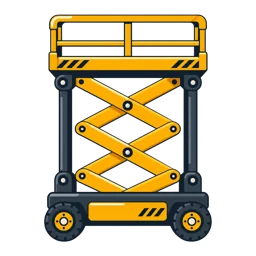
- Vertical slab work with wide deck space? See /electric-scissor-lift-rental/.
- Unpaved platform work zones on uneven terrain? See /rough-terrain-scissor-lift-rental/.
Actual site conditions, the selected unit’s instructions, and job procedures govern all elevated work.