Define the placement task first
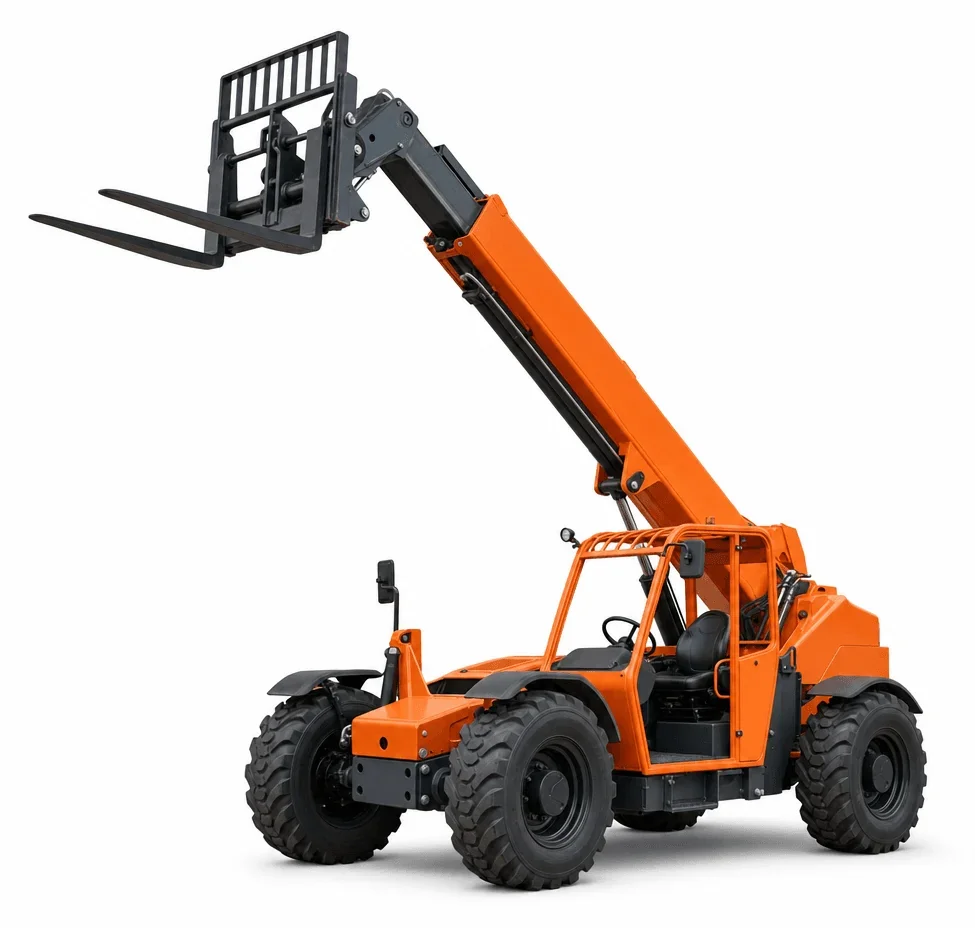
- Where must the load land—on a slab edge, mezzanine, or roof curb? The farther the horizontal reach, the lower the rated capacity at that radius. Match the expected maximum reach to the heaviest typical load.
- How precise is placement? Side-shift or tilt carriages improve landing accuracy at dock edges and elevated openings.
Tampa ground and weather impacts
Sandy soils and recently compacted fill behave differently after rain. A machine that travels well across a dry lot may bog when saturated. Larger tires, wider stance, and stabilizing features help with approach stability, but final suitability depends on actual conditions at the time of use. Coastal exposure suggests attention to machines with protective treatments when working regularly outdoors.
Height, maneuvering, and access route
- Boom length vs. site geometry: Tall stacks and scaffold may force longer booms even when loads are moderate.
- Turning and approach: Tight turns at gate openings or between stored materials may govern overall length and counterweight swing more than lift height.
- Fork choice and attachments: Pallet sizes, pipe bundles, and loose materials change fork spacing needs and carriage type; confirm compatibility before committing to a model.
Workflow with other site equipment
Telehandlers often stage materials that aerial lifts will later install. Coordinate with /articulating-boom-lift-rental/ or /telescopic-boom-lift-rental/ needs to keep ground routes open and pads undisturbed.
Planning checklist
- Maximum load weight at the farthest practical reach
- Narrowest gate, aisle, or ramp on route to landing zone
- Soil condition trends after rainfall and traffic
- Visibility constraints near docks or pedestrian areas
Actual site conditions, the selected unit’s instructions, and site procedures govern all lifting work.